
Selfboost / Nutrition / Desserts
Something sweet.
Rich chocolate. Buttery crumble. A spoonful of cheesecake. Familiar favourites, made simple.
Pick what sounds good
Four little favourites.
One example serving each.
Cooking, cooling and chilling times explained.
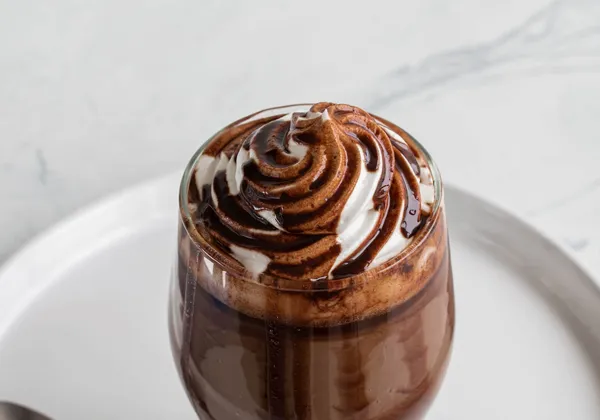
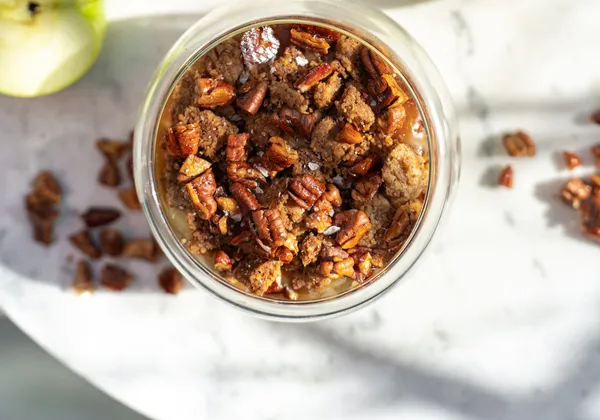
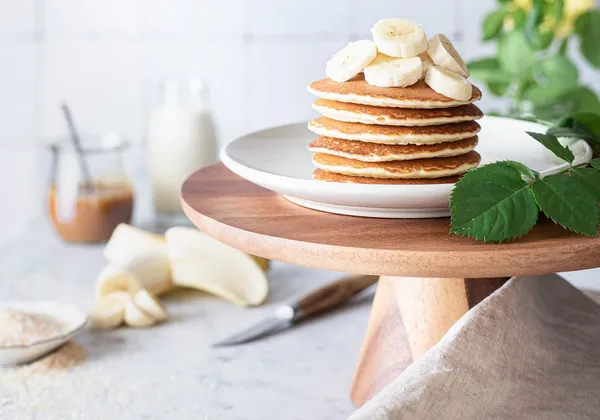
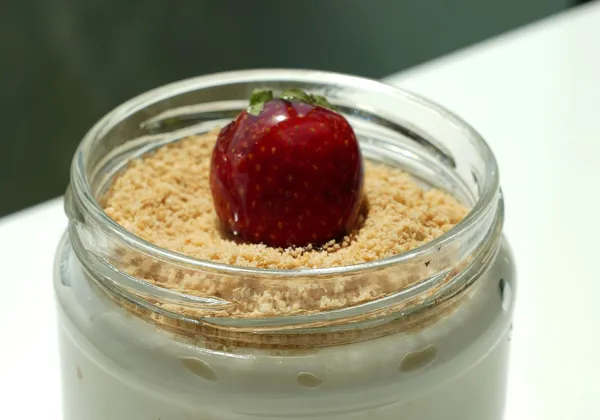
A dessert to enjoy, at your own pace. Choose a portion that suits your appetite.
All recipes ↗About these recipes and nutrition estimates
These are simple Selfboost recipe ideas, with one example serving each. Your appetite and energy needs can be different. A varied diet matters across the day and week; every meal does not need to contain every food group.
Calories and nutrients are calculated from the listed ingredient weights using the Food Library’s representative USDA records. Raw, dry, cooked and drained weights are marked separately. All listed oil is included. Optional seasonings and garnishes are excluded. Brands, cooking losses and portion sizes change the result; use a product’s label for its specific values.
Preparation times are estimates and include any ready-cooked ingredients noted in the recipe. Photographs are serving inspiration; follow the ingredient list for the recipe and portion.
Ready ingredient swaps use the same food database and recalculate the whole serving. They are culinary alternatives, not equivalent nutrient or allergy replacements. Collections group existing recipes by preparation and staple ingredients; no local price comparison has been made.
These desserts use ordinary ingredients, including sugar and butter where listed. They are not weight-loss recipes or a suggested daily dessert target. All listed sweeteners and toppings are counted; extra garnishes are separate.
- NIST apple crisp informed the fruit-and-crumble method. Our small portion, pecans and ingredient quantities are Selfboost adaptations.
- Oregon State University Food Hero banana pancakes informed the small-pancake method. Our flour, quantities and syrup differ; the estimate is calculated independently.
- Illinois Extension’s traditional pudding ingredient list informed the milk, cocoa and cornstarch base. Selfboost adds dark chocolate and uses a different portion. The cheesecake cup is our own soft, no-bake combination.
- FDA flour safety — do not eat raw flour or batter. FoodSafety.gov gives 71°C / 160°F for egg dishes.
Reviewed 15 October 2026. These exact portions and methods have not been kitchen-tested or endorsed by the linked organisations. Timing varies with equipment, ingredient size and chilling conditions.
- Food Library data notes — USDA food composition and its limits.
- NHS Eatwell Guide — variety and balance across meals.
- FoodSafety.gov cooking temperatures — chicken, fish and eggs.
- Food Standards Agency food safety guidance — handling and reheating rice.
- Food Standards Agency chilling guidance — refrigerator temperature and cooked leftovers. Ingredient labels may require shorter storage.
- Food Standards Agency reheating guidance — reheat leftovers only once, until steaming hot throughout.
Sources reviewed 8 October 2026. Recipe combinations and serving sizes are Selfboost’s editorial choices, not a prescribed meal plan or an endorsement by these organisations.
Everyday food. A little more understanding.
General nutrition information and estimates, not individual medical advice.